
Travel Trends Nobody Saw Coming This Year
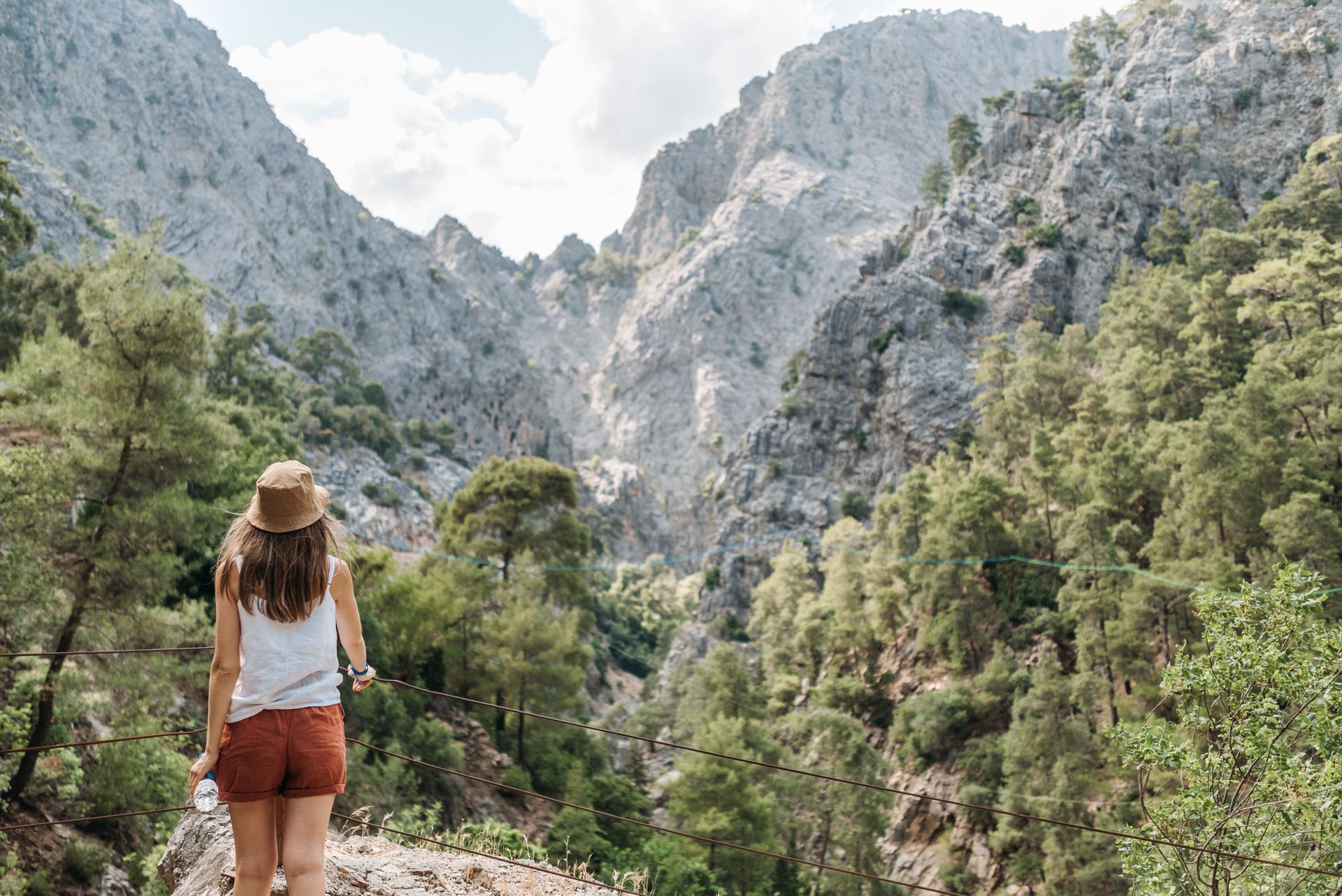
Travel has always evolved, but this year feels different. Instead of predictable shifts like cheaper flights or new hotel chains, we’re seeing changes in how people think about travel itself. The focus is moving away from traditional bucket lists and toward more personal, flexible, and experience-driven journeys. What’s interesting is that many of these trends weren’t predicted by the travel industry at all. They’ve emerged quietly from changing lifestyles, digital burnout, and a growing desire for more meaningful experiences. The result is a travel landscape that feels less structured and more human.

Micro-Adventures Are Replacing Long Holidays
One of the biggest surprises this year is the rise of micro-adventures. Instead of planning long international trips, many people are choosing short, high-impact experiences closer to home. A weekend hike, a countryside stay, or a quick train journey is becoming more appealing than a two-week overseas holiday. People are realizing that meaningful travel doesn’t always require crossing oceans.
Slow Travel Is Quietly Becoming the Norm
Slow travel is no longer just a niche idea; it’s becoming a mainstream preference. Instead of rushing through multiple destinations, travelers are choosing to stay longer in one place and actually experience daily life there. This shift is partly driven by burnout. People don’t want vacations that feel like another job filled with tight schedules and constant movement. Instead, they’re embracing a slower rhythm that allows space for discovery, rest, and spontaneity. The experience becomes less about quantity and more about quality.
“Anti-Itinerary” Trips Are Gaining Popularity
A surprising trend this year is the rise of intentionally unplanned travel. More people are booking flights and accommodation but leaving the rest of the trip open-ended. This “anti-itinerary” approach removes pressure and allows destinations to unfold naturally. Travelers are finding that without strict schedules, they’re more likely to discover hidden cafés, unexpected events, and local recommendations. It also makes travel feel more personal, since decisions are made in the moment rather than weeks in advance.
Experience-First Travel Is Replacing Sightseeing
Traditional sightseeing is slowly losing its dominance. Instead of focusing on famous landmarks, travelers are prioritizing experiences that feel immersive and personal. Cooking with locals, joining workshops, or attending community events is becoming more important than ticking off attractions. This shift reflects a deeper desire for connection. Travelers want to feel part of a place, not just observers passing through. It’s less about taking photos and more about creating memories that feel lived rather than viewed.

Digital Detox Travel Is Moving Mainstream
What used to be a niche wellness concept is now a major travel trend. Digital detox trips, where travelers intentionally disconnect from phones and social media, are becoming increasingly popular. People are realizing how much constant notifications fragment their attention. As a result, resorts and retreats are designing experiences that encourage offline living: no screens, no constant scrolling, just time to reset mentally. Many travelers report that even a few days offline completely changes how they experience a destination.
Rail Travel Is Having an Unexpected Comeback
Another trend nobody fully predicted is the revival of train travel. While flying still dominates long-distance travel, more people are choosing trains for regional and scenic journeys. The appeal is simple: comfort, space, and the ability to actually see the landscape. Instead of airport stress and security lines, travelers get slow, scenic movement through mountains, coastlines, and countryside. For many, the journey itself becomes the highlight of the trip.
Wellness Is Being Built Into Every Trip
Wellness is no longer limited to spas or yoga retreats. It’s now influencing how people design entire vacations. Travelers are choosing accommodations with better sleep environments, quieter locations, and more natural surroundings. Even city trips are being adjusted to include downtime instead of packed schedules. The idea of returning from vacation more exhausted than before is becoming less acceptable. Rest, balance, and mental clarity are now part of the travel goal.
This year’s travel trends show a clear shift away from over-optimized, fast-paced tourism toward slower, more intentional experiences. Whether it’s micro-adventures, digital detox trips, or experience-focused journeys, travelers are redefining what it means to explore the world. Instead of chasing as many destinations as possible, people are starting to value how a place makes them feel. And in many ways, that might be the most surprising travel trend of all.

